
Aviassembly Best Plane: Three Builds That Cover Everything
There is no single best Aviassembly plane, but three builds cover the whole game: a heavy lifter, a fast courier and a short-field island hopper.
Ask for the best plane in Aviassembly and you will get a workshop link to somebody's jet. It will be fast, it will look brilliant, and it will be useless for the mission you actually have: a 600 litre cargo run to a strip with a runway shorter than the jet's landing roll.
The honest answer is that the best plane is the smallest aircraft that completes the job with margin. In practice that means three airframes, each covering a different class of mission. Build all three and you stop rebuilding for every contract.
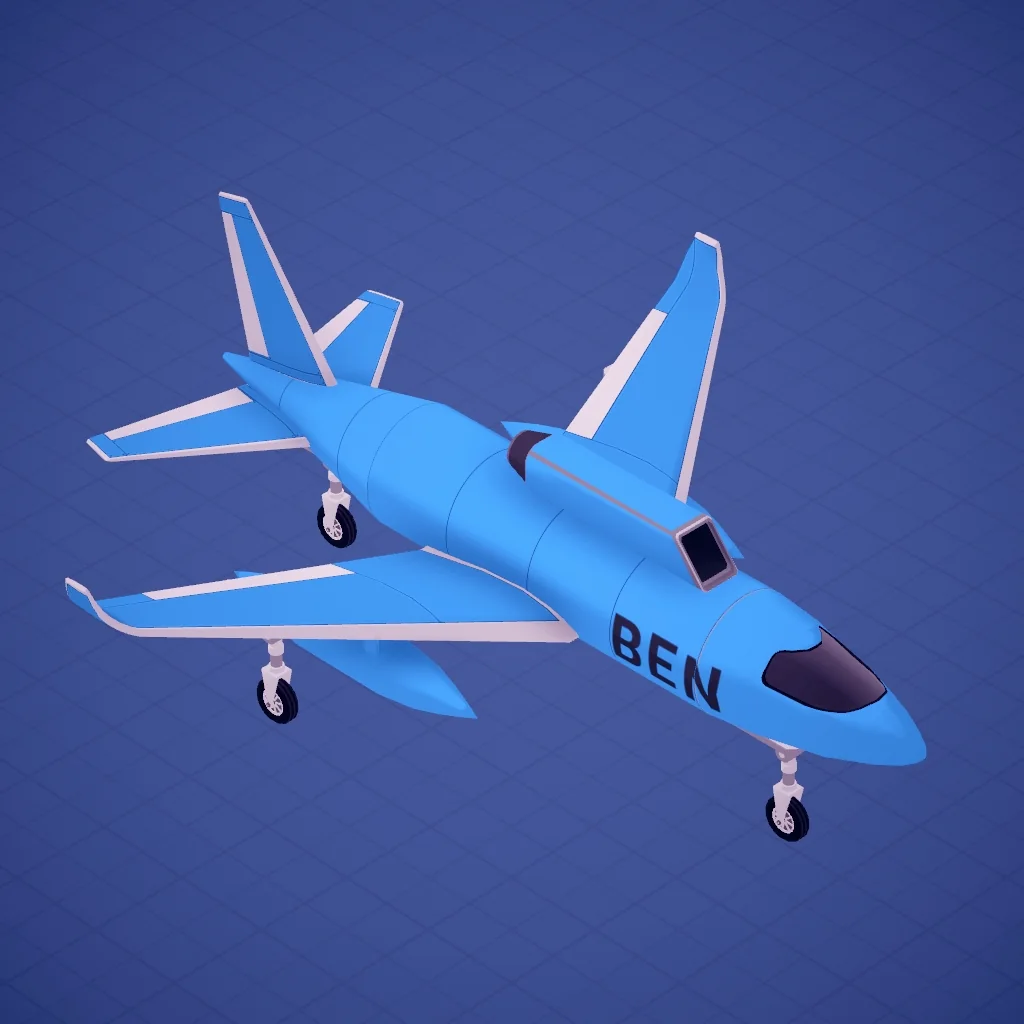
Build 1: the heavy lifter
This is the aircraft that pays for everything else. Its job is to move the densest, bulkiest cargo in the game — stone, steel, titanium, lead and the radioactive waste finale — without drama.
What it needs:
- Two cockpits. The buffed early cockpits are the most weight-efficient hold volume in the catalogue, and two of them beat one oversized fuselage.
- Large wing area with a strength rating comfortably above your cruise speed. You are not diving in this aircraft.
- Two or more fuel engines with capped thrust. Capping is what turns a thirsty engine into a long-range one.
- Air brakes. A heavy plane that cannot slow down is a heavy plane that overshoots short strips.
What it does not need: speed. A heavy lifter cruising slowly and steadily will out-earn a fast plane that has to make two trips.
The cargo numbers that define this build are on the cargo page→; the volume-versus-weight trap is explained in the weights guide→.
Build 2: the fast courier
Some missions pay for time, and the desert's long distances reward an aircraft that crosses 40 km without the fuel gauge collapsing. This is where jets earn their place.
What it needs:
- A jet or ramjet matched to its optimal airspeed. Every engine displays that number in the editor; ignoring it is how players conclude jets are inefficient.
- A small, clean airframe. One cockpit, one compact hold, retractable gear if you have it.
- Enough tank for the round trip plus a diversion. A courier that arrives empty is a courier that lands in the sea.
What it does not need: cargo volume. If you find yourself adding a second hold, you want the heavy lifter instead.
The engine comparison is on the engines page→, including which engines were buffed in Update 10.
Build 3: the island hopper
The hidden airports are the reason this build exists. Shipwreck strips to the south, an SOS camp in the snow, a hermit island between biomes and a prison island north-east of the start all have short or awkward runways. Some are barely more than a clearing.
What it needs:
- High lift at low speed: glider wings, generous wing area, light structure.
- Strong brakes and, if you have them, air brakes.
- Balloons if the strip is genuinely too short. A balloon-assisted takeoff is slow and ugly and it works.
- Pontoons if the destination is water rather than land.
What it does not need: range. Island hops are short; a single tank is usually enough.
The island hopper unlocks airports, and airports unlock missions, and missions unlock scrap. It is the least glamorous of the three and the one that moves your save forward fastest.
The rules that make any build fly
Regardless of archetype, four checks catch almost every bad design before you take off:
- Wing strength above cruise speed. Multiply the displayed decimal by 100 and compare it with the speed you actually fly.
- Climb at full load. If the plane cannot gain altitude with the cargo aboard, it cannot clear the terrain between you and the destination.
- Runway length at both ends. The destination strip is often shorter than the one you left from.
- Fuel for the return leg. There are no fuel stations in the air, and ditching without pontoons destroys the aircraft and the cargo.
What about workshop designs?
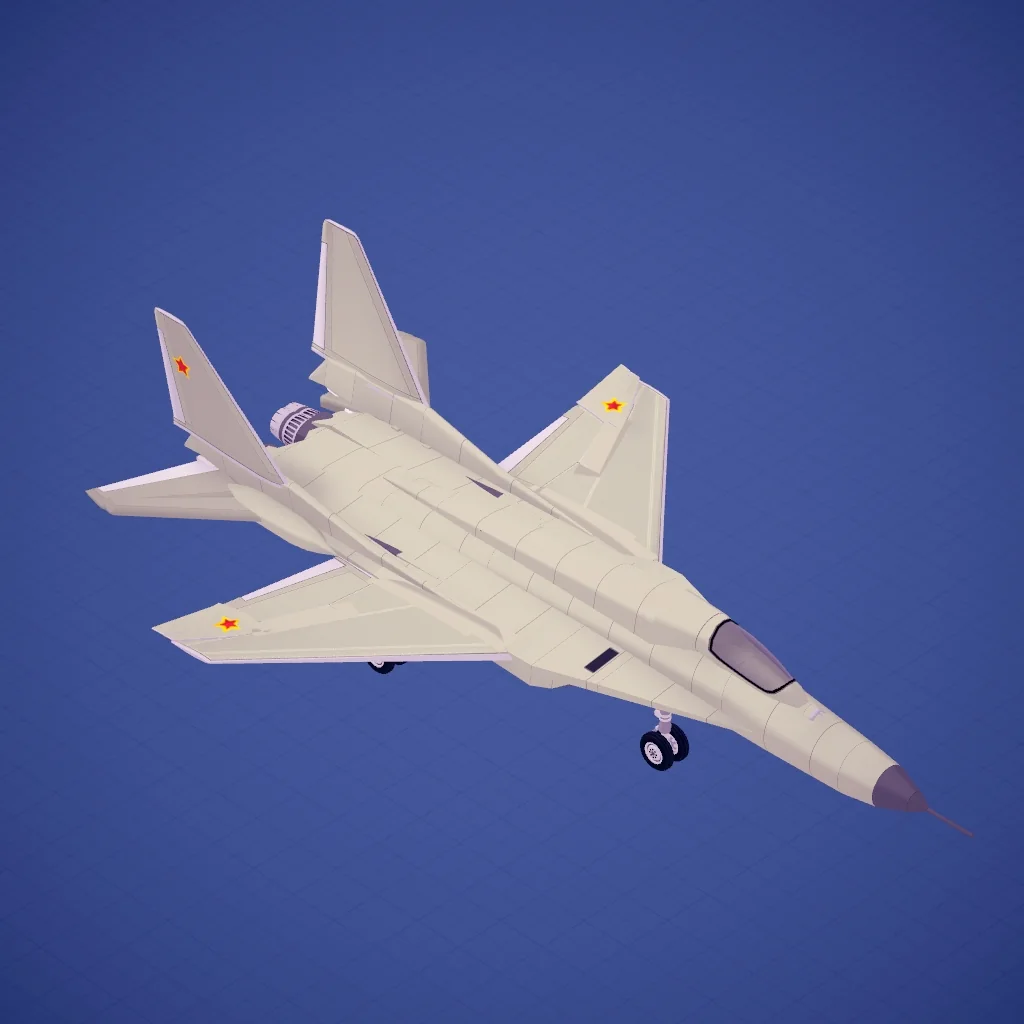
The Workshop has 200-odd aircraft, from historically accurate bombers to a flying tank. They are a great way to see what the physics engine tolerates, and a poor way to learn build fundamentals, because you cannot see why they work.
Download one, fly it, then open it in the editor and delete parts until it stops flying. That last exercise teaches more than any guide.

FAQ
What is the fastest plane in Aviassembly? Ramjet-powered designs hold the speed records, and the ramjet was buffed to 6000 thrust in Update 10. Speed is limited by wing strength long before it is limited by thrust.
Can one plane do everything? A large multi-role aircraft can, at the cost of coins and fuel. Three specialised airframes are cheaper to build and faster to fly.
Do workshop planes work in career mode? Yes. Subscribed designs load from the Workshop tab in the load panel and can be flown in any mode, including career.
Official source: Steam store page ↗ and patch notes ↗; in-game values checked on version 1.0.
Related Guides
- Best Early Plane→ — the cheap first build.
- Plane Designs→ — reusable blueprint patterns.
- Parts→ — every component and its trade-offs.
- Cargo→ — what the heavy lifter is actually carrying.
Community builds: Steam Workshop ↗. Version context: store page ↗ and patch announcements ↗.